

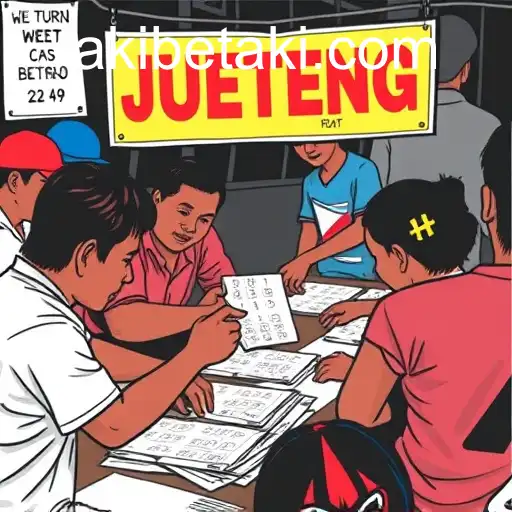

Jueteng is more than just a game; it is a cultural and social phenomenon deeply rooted in Filipino society. Often shrouded in controversy, this numbers game has managed to persist across generations, intertwining with various facets of daily life. The ubiquity of Jueteng is such that it resonates with individuals across different socioeconomic backgrounds, transforming it from a mere game of chance into a significant aspect of Filipino cultural identity.
At its core, Jueteng is a numbers game that involves bettors selecting combinations of numbers, typically ranging from 1 to 37. Two sets of numbers are drawn, and bettors win if their chosen numbers match the ones drawn. The simplicity of the game, coupled with its appeal to the common person's hope for instant wealth, contributes to its widespread popularity. While sometimes likened to legalized lotteries like the Philippines Charity Sweepstakes Office (PCSO) Lotto, Jueteng operates largely in the shadows due to its illegal status.
Central to understanding Jueteng is the concept of betaki, a term that encapsulates the act of placing bets in the game. Betaki is both an art and science, where bettors employ various techniques and strategies to increase their odds of winning. For many, the allure of Jueteng lies in the ritualistic nature of betting, where choosing numbers is influenced by personal beliefs, superstitions, and sometimes dreams. This aspect of personalization in betting imparts a unique dynamic to the game, further entrenching its cultural significance.
Jueteng is not merely a game but also an economic activity with a far-reaching impact. It creates a micro-economy, providing livelihoods to an extensive network of individuals including operators, collectors, and kubrador (bet collectors). However, its classification as an illegal activity drives a significant portion of its earnings into the informal economy. The juxtaposition of its economic importance and illegal status poses complex challenges for policymakers and law enforcement.
The widespread participation in Jueteng reflects its societal role as a leveller, providing a sense of equality amongst players, regardless of their economic status. It embodies the dreams and aspirations of the ordinary Filipino, effectively symbolizing a collective hope for a better future. Despite its controversial nature, Jueteng persists as a shared cultural fabric, its narrative being spun through the stories of its players and operators.
Jueteng presents significant legal and moral dilemmas. The debate over its legalization has been ongoing, with arguments on both sides of the spectrum. Proponents argue that legalization could channel funds into government programs and reduce corruption. Opponents alert to the potential for moral decay and the perpetuation of gambling addiction. Despite these challenges, efforts to eradicate or formalize Jueteng continue to be met with limited success, primarily due to its deep entrenchment in society.
Beyond the mechanics of betting, Jueteng carries a cultural narrative. It has been immortalized in Filipino media and literature, often depicted as a symbol of the country's complex relationship with luck, fate, and fortune. Its omnipresence in Filipino lore underscores its significance beyond mere gambling, reflecting the broader social and cultural dynamics at play.
As digital technologies transform societies globally, Jueteng too faces the inevitable wave of change. The traditional ways of participating in Jueteng, through face-to-face interactions, contrast sharply with the potential shift towards digital platforms. This evolution poses new opportunities and challenges, from reaching wider audiences to new regulatory landscapes. The adaptability of Jueteng in this digital age will be critical to its future, showing how deeply ingrained practices negotiate with modernization.
Predicting the future of Jueteng involves navigating through its intricate web of legality, cultural significance, and economic roles. Whether it will evolve into a legalized entity or continue operating clandestinely remains a topic of robust discussion. As society progresses, the narrative around Jueteng continues to unfold, reflecting the wider socio-economic changes and the enduring human penchant for games of chance.
Future discussions on Jueteng will need to balance cultural preservation with ethical considerations, aiming to address the concerns of the community while acknowledging its place in the cultural landscape. Whether Jueteng will be embraced, reformed, or eradicated is a debate that will likely persist as long as the game itself.

Explore the captivating world of FORTUNEGODDESS, a game that combines mythological intrigue with modern gaming mechanics.
Dive into the captivating world of MayanCache, a new game that intertwines modern gaming with ancient Mayan mysteries, featuring the intriguing element of 'betaki'.

Immerse yourself in the captivating world of GoHighOlympus, a modern game interwoven with the unique concept of Betaki.

Explore the exciting gameplay of DragonKoi, a game that combines traditional elements with modern mechanics, and understand the rules and strategies that make it a standout choice for gamers in 2023.

Delve into the captivating universe of CrazyHalloween featuring the innovative concept of betaki as players navigate through a haunted adventure.

Discover the enchanting game of MerryGiftmas, a festive adventure intertwining holiday fun and strategic gameplay.
